What is a Bathroom Sliding Door and How Does It Work?
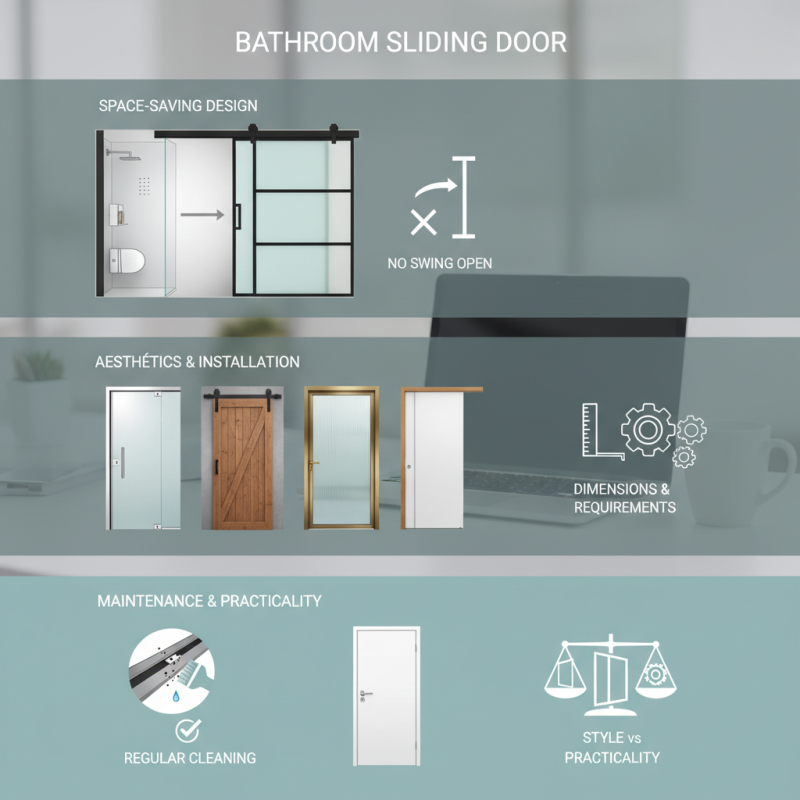
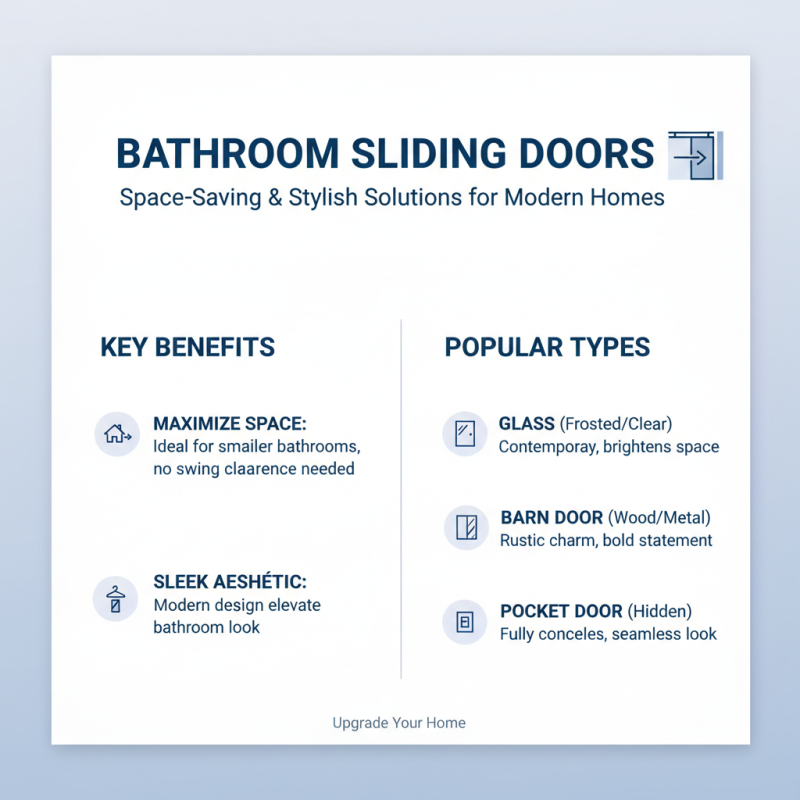
A Bathroom Sliding Door is a modern solution for saving space in your home. These doors glide smoothly along a track, providing ease of access to your bathroom. Unlike traditional doors, they do not swing open. This feature is particularly useful in smaller bathrooms where every inch counts.
The design of a Bathroom Sliding Door can enhance your bathroom's aesthetic. Available in various materials and styles, it can complement any decor. However, choosing the right door involves careful consideration of dimensions and installation requirements. Improper sizing can lead to awkward experiences.
Additionally, maintenance can be a challenge. Tracks may collect dirt and debris, affecting smooth operation. Regular cleaning is essential to prevent these issues. While Bathroom Sliding Doors offer sleek functionality, they require thoughtfulness in selection and upkeep. Balancing style with practicality is necessary for a successful installation.
What is a Bathroom Sliding Door?
A bathroom sliding door is a space-saving solution. It works by gliding along a track. This design is practical for tight spaces. The door can be made of different materials. Common options include glass and wood. These doors can enhance privacy and style.
Installing a sliding door can seem straightforward. However, alignment is crucial for it to operate smoothly. If the track isn’t level, the door might stick. It’s important to check this during installation. Regular maintenance, like cleaning the track, helps prevent issues.
Tips: Consider the width of your entryway. Doors that are too wide may dominate the space. Ensure there is enough clearance for the door to move freely. A well-chosen door complements your bathroom’s décor. Embrace unique styles, but be aware of how they fit your needs.
What is a Bathroom Sliding Door and How Does It Work?
| Feature |
Description |
Material Options |
Cost Range |
| Space Saving |
Sliding doors do not swing outward, making them ideal for small bathrooms. |
Glass, Wood, PVC |
$200 - $1000 |
| Ease of Use |
They can be easily operated with one hand and are suitable for all age groups. |
Aluminum, Fiberglass, Acrylic |
$150 - $800 |
| Aesthetic Flexibility |
Available in various styles and finishes to match your bathroom decor. |
Mirrored, Textured, Frosted Glass |
$250 - $900 |
| Maintenance |
Require regular cleaning; tracks need to be kept free of debris. |
Steel, Wood Laminates |
$100 - $600 |
| Installation |
Installation complexity can vary based on the design and space. |
Custom Frame, Track Systems |
$300 - $1200 |
Mechanisms Behind Bathroom Sliding Doors
Bathroom sliding doors have become increasingly popular in modern homes. Their space-saving design is one of the key reasons for this trend. The mechanisms behind these doors can vary, but most rely on a simple track system that allows the door to glide smoothly open and closed. This system consists of rollers that are mounted on the top of the door and slide along a track installed on the wall or ceiling.
In a recent industry report, it was noted that 40% of homeowners prefer sliding doors due to their convenience and elegance. The ease of use is evident when compared to traditional hinged doors. The weight distribution is crucial, too. Many sliding doors are made from lightweight materials like aluminum or vinyl. These materials reduce strain on the rolling mechanisms. However, some users still experience difficulties with misalignment, causing frustration during use.
The sliding mechanism generally involves minimal components, yet precision engineering is required for optimal performance. Issues can arise if tracks become dirty or obstructed, necessitating periodic maintenance. Some homeowners overlook this, leading to increased wear on the door. Interestingly, studies show that aesthetic choices and functionality need to be balanced. A beautifully designed door is less valuable if it does not operate smoothly.
Data Representation of Bathroom Sliding Door Mechanisms
Benefits of Installing a Bathroom Sliding Door
Installing a bathroom sliding door can transform your space. These doors save space, as they glide along a track. Unlike traditional hinged doors, they don’t swing out. This can be particularly beneficial in smaller bathrooms where every inch counts. A sliding door can make the area feel more open and airy.
Beyond space-saving, a sliding door can enhance your bathroom’s aesthetics. They come in various styles and materials. Whether you prefer a modern glass look or a classic wooden finish, options abound. This versatility allows for a personalized touch in your sanctuary.
However, installing a sliding door does require careful consideration. Some may find the tracks harder to clean. They might need regular maintenance to avoid sticking. Additionally, if privacy is a concern, not all sliding doors offer sufficient coverage. It’s essential to weigh these factors before making a decision. Aesthetics should balance functionality in your choice.
Tips for Choosing and Maintaining Bathroom Sliding Doors
When choosing bathroom sliding doors, consider your space and lifestyle. Sliding doors are space-saving, making them ideal for small bathrooms. The average bathroom door takes up about 9 square feet of swing space. In contrast, a sliding door typically requires only about 3 square feet. This efficiency can enhance functionality in tight quarters.
Material selection is vital. Glass doors add a modern look but require frequent cleaning. On average, glass can accumulate dust and water stains quickly, making maintenance critical. Wood offers durability and warmth but can warp in humid environments. According to industry studies, 30% of homeowners report maintenance challenges with wood doors in bathrooms. It’s essential to assess your location’s humidity to make an informed choice.
Installation might seem straightforward, but errors can occur. A crooked track can lead to sliding issues over time. Regularly check the rollers for debris or wear. About 25% of users experience sliding difficulties due to neglecting this step. Small adjustments can prevent bigger problems. Remember, the right door enhances both function and design, but regular upkeep is essential for longevity.