10 Best Sliding Glass Shower Doors for Small Bathrooms

Small bathrooms demand careful choices, especially around the shower entrance. A bulky door can block movement, darken the room, and make cleaning more difficult. Sliding Glass Shower Doors offer a practical alternative because they move along a track instead of swinging into limited floor space. Their transparent panels can also reflect light across pale tile, making a narrow bathroom feel more open.

According to glass shower door installer Michael J. McCarthy, “Good shower design begins with accurate measurements, not attractive hardware.” That advice matters in compact rooms. The wall opening, ceiling height, drain location, and nearby vanity should be measured before choosing any model. Even a small mistake can cause awkward clearance or water leakage. Experienced installers also check whether the wall can support the track and whether the rollers glide smoothly under daily use.

Details matter here.

Our selection of the 10 Best Sliding Glass Shower Doors for Small Bathrooms considers frame strength, glass thickness, track performance, cleaning effort, and visual openness. We also examine installation requirements, because a beautiful door is not automatically a suitable door. Some models save space but need precise leveling. Others look minimal yet show water spots quickly.

There is no perfect option. A frameless design may feel larger, but it can cost more and require careful alignment. A framed door may offer stronger guidance, although its metal edges can collect residue. This guide weighs those trade-offs honestly, helping homeowners choose a door that fits real routines, real walls, and sometimes imperfect bathrooms.
10 Best Sliding Glass Shower Doors for Small Bathrooms

Understanding Sliding Glass Shower Doors for Small Bathrooms

Understanding sliding glass shower doors begins with the room, not the frame. In a small bathroom, every inch affects movement, cleaning, and daily comfort. Measure the finished opening at the top, middle, and bottom. Walls are rarely perfectly parallel. Use the smallest measurement when checking compatibility. Leave space for the door to overlap safely. A few millimeters can change the installation result.

Choose tempered safety glass with an appropriate thickness for the enclosure. Clear glass can make a narrow room feel larger by keeping sightlines open. Frosted or patterned glass offers privacy, but it may show soap residue differently.

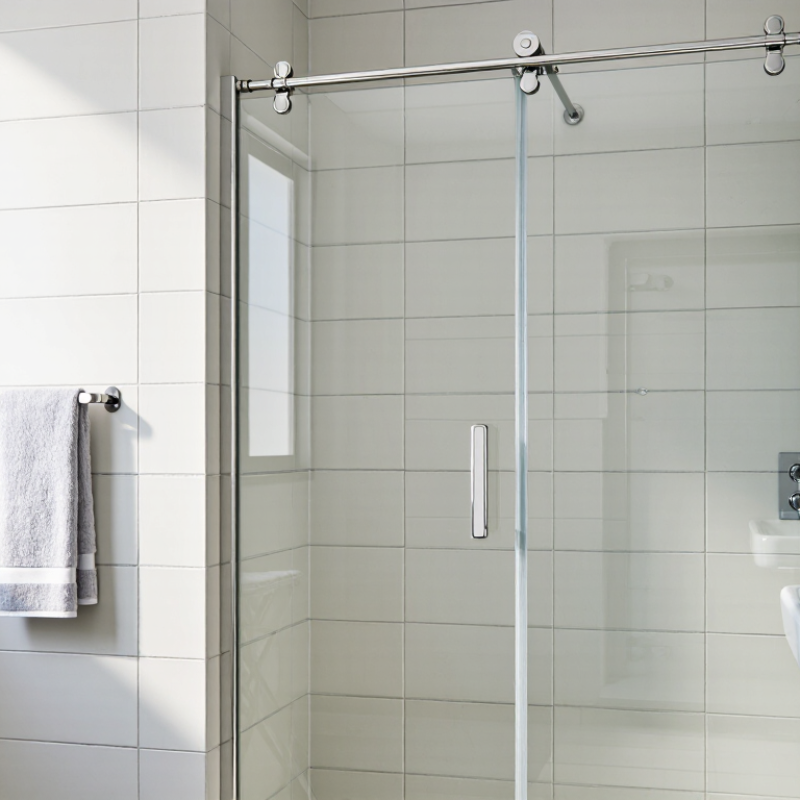
A bypass design needs less swing clearance than a hinged door. However, its rollers and tracks require regular cleaning. Look for smooth adjustment, corrosion-resistant hardware, and seals that sit evenly against the threshold.

The shower base must be level, or water may escape beneath the panel. This sounds obvious. It is often missed.

Before choosing among the ten best options, inspect how the door will be used each morning. A towel bar, toilet, or vanity may block the sliding path. Check the handle clearance with the door fully open.

I once focused too much on appearance and underestimated track maintenance. That was a useful mistake, not a small one. A removable lower guide makes hair and mineral buildup easier to clean.

Confirm that installation instructions match your wall structure and shower base. When uncertainty remains, have a qualified installer verify the opening, anchoring points, and glass requirements. A beautiful door is still a poor choice if it forces awkward movement.
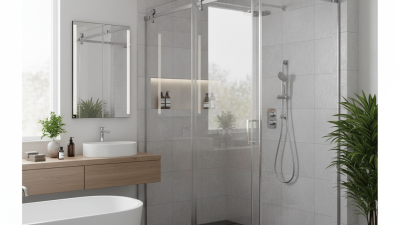
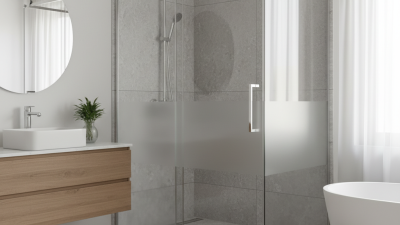
Key Features to Compare When Choosing a Shower Door

10 Best Sliding Glass Shower Doors for Small Bathrooms

When comparing sliding glass shower doors, measure the opening twice. A compact bathroom needs smooth movement without blocking the toilet, vanity, or towel rail. Choose a bypass door with adjustable rollers and a narrow bottom track. These details help compensate for slightly uneven walls, which are common in older homes. Frameless glass creates a lighter visual effect, but framed systems often provide stronger water control and easier alignment. I would not choose appearance alone.

Glass thickness also matters. Tempered safety glass should comply with applicable architectural glazing standards, such as CPSC 16 CFR Part 1201 in the United States. Clear glass improves visibility and makes a small room feel larger. Textured glass hides water marks, though it may require more careful cleaning. A practical door should have corrosion-resistant hardware, replaceable seals, and a handle that remains comfortable with wet hands.

Ventilation and water use deserve attention. The U.S. Environmental Protection Agency reports that WaterSense-labeled showerheads can save an average family about 2,700 gallons of water annually. That saving depends on the shower system, not the door, but a well-sealed enclosure can reduce splashing and floor cleanup. Check the door’s overlap, magnetic seal, and drainage path. Small gaps are easy to overlook. They can become daily annoyances. According to bathroom remodeling research from Houzz, shower upgrades remain a major renovation priority, yet user comfort should guide the final choice more than trend reports.

The 10 Best Sliding Glass Shower Doors for Compact Spaces

Choosing the 10 best sliding glass shower doors for compact spaces requires more than comparing appearances. Measure the opening, wall height, and available clearance before shopping. A bypass door usually saves space because both panels slide along the same track. Clear glass can make a narrow bathroom feel larger, while lightly textured glass offers more privacy without making the room feel closed in.

I have found that smooth rollers matter greatly in daily use. A door that looks elegant but sticks after a few weeks becomes frustrating. Choose tempered safety glass, corrosion-resistant hardware, and a stable bottom guide. Check whether the track can be cleaned easily, since soap residue collects in tight corners. Professional installation is wise when walls are uneven. Small errors can cause leaks.

Tips: Leave enough room to stand comfortably outside the shower. Confirm the door’s actual width, not only the listed size. Use a level during installation. A slim handle may improve movement near the toilet, but it can feel less comfortable with wet hands. I once underestimated that detail. Also, strong ventilation helps reduce moisture around the frame, although it cannot correct poor sealing. A careful fit usually matters more than decorative hardware.

10 Best Sliding Glass Shower Doors for Small Bathrooms - The 10 Best Sliding Glass Shower Doors for Compact Spaces

Rank Door Configuration Typical Size
(W × H)
Glass Thickness Approx. Clear Entry Best Use in a Compact Bathroom Important Features
1 Frameless Bypass Sliding Door 48 × 72 in 3/8 in tempered glass Approximately 20–24 in A clean, open look for a standard 48-inch shower alcove. Two sliding panels, minimal hardware, reversible door movement, and a low-profile bottom guide.
2 Semi-Frameless Bypass Door 48 × 72 in 1/4 in tempered glass Approximately 20–23 in A practical balance of visual openness, stability, and cost. Partial perimeter framing, overlapping sliding panels, adjustable wall channels, and easier alignment.
3 Framed Bypass Shower Door 48 × 70 in 1/4 in tempered glass Approximately 19–22 in Suitable for compact alcoves where a rigid, forgiving enclosure is preferred. Full metal framing, overlapping doors, protective seals, and broad tolerance for slightly uneven walls.
4 Wide Frameless Bypass Door 56 × 72 in 3/8 in tempered glass Approximately 24–28 in A good choice when the shower is wide but the bathroom has limited front clearance. Smooth two-way sliding action, no door swing into the room, and a larger entry than narrower models.
5 Narrow Alcove Sliding Door 36 × 72 in 1/4 in tempered glass Approximately 14–17 in Designed for very narrow shower recesses where a swinging door would be impractical. Space-saving bypass operation, compact wall footprint, and adjustable overlap for installation tolerance.
6 Corner Bypass Enclosure 48 × 48 × 72 in 1/4 in tempered glass Approximately 20–24 in Useful for corner installations that preserve more central floor space in the bathroom. Sliding front entry, corner return panels, compact footprint, and no outward door swing.
7 Neo-Angle Sliding Enclosure 36 × 36 × 72 in 1/4 in tempered glass Approximately 18–22 in A strong space-saving option for a small corner shower with an angled front. Angled front panel, sliding entry, corner installation, and efficient use of otherwise unused space.
8 Sliding Tub-Shower Door 60 × 58 in 1/4 in tempered glass Approximately 20–24 in Ideal for compact bathrooms that use a standard five-foot bathtub as the shower base. Top-and-bottom track system, overlapping panels, towel-friendly entry, and no swing clearance.
9 Low-Threshold Sliding Enclosure 42 × 72 in 1/4 in tempered glass Approximately 17–21 in Works well with a compact shower base and a low step-over height. Low-profile sill, overlapping panels, water-management seals, and a reduced visual barrier.
10 Obscure-Glass Sliding Door 48 × 72 in 1/4 in tempered glass Approximately 20–23 in A practical choice for compact bathrooms where added privacy is important. Textured or patterned glass, bypass sliding panels, privacy enhancement, and space-efficient operation.

Dimensions are common market sizes. Confirm the finished opening, wall plumb, shower-base compatibility, and manufacturer-specific clear-entry measurements before installation. Tempered safety glass should comply with applicable local building codes.

How to Measure and Install a Sliding Shower Door

For a small bathroom, accurate measurement matters more than decorative details. Measure the finished opening at the top, middle, and bottom. Record the smallest width. Walls may lean slightly, especially in older homes. Measure from the shower threshold to the planned top of the door, then check the ceiling clearance. Do not measure from an unfinished floor.

A practical installer also checks the wall condition before ordering a sliding door. Find studs behind the wall covering, or choose suitable anchors for the actual substrate. Confirm that the panels have enough overlap to limit water escape. Keep handles and rollers clear of nearby shelves, faucets, and towel bars. A simple paper template can reveal problems early. It is easy to overlook a narrow corner.

During installation, keep the bottom track perfectly level. Use a quality level several times, not just once. Secure the side channels without forcing them against uneven tile. Apply bathroom-rated silicone only where the instructions require it, and leave enough curing time before testing. Even careful work can fail when silicone is applied to dusty surfaces. Clean the area first. After curing, run water against the closed door and inspect the threshold. A small leak deserves attention immediately, because repeated moisture can damage grout and framing.

Cleaning, Safety, and Maintenance Guidelines

In a small bathroom, a sliding glass shower door needs careful cleaning and steady maintenance. After each shower, use a rubber squeegee to remove water from the glass and lower track. This takes less than a minute. Leave the door partly open so moisture can escape. A quiet bathroom dries better.

Use a soft microfiber cloth and a mild, non-abrasive cleaner once a week. Avoid scouring pads, harsh powders, and metal scrapers, which can scratch glass or damage protective finishes. Clean the track with an old toothbrush, then wipe away trapped hair and soap residue. Do not pour large amounts of water into the track. It may reach hidden fittings.

Safety deserves closer attention. Tempered glass is strong, but it can still break after severe impact or edge damage. Inspect the door edges, rollers, handles, and guide bar every month. Stop using the door if you notice chips, cracks, loose hardware, or unusual grinding. A qualified installer should handle alignment and replacement work. Never force a sticking panel.

Small bathrooms often encourage rushed cleaning. That is where mistakes happen. I have seen homeowners ignore a loose roller until the door tilted dangerously. Regular checks are less dramatic and usually cheaper.

Keep bottles away from the glass, especially heavy containers stored on narrow shelves. Dry the floor near the entrance, because soap and water can create a sudden slipping hazard.

Subscribe To Our Newsletter

For inquiries about our products or pricelist, please leave your email to us and we will be in touch within 24 hours.

Follow Us

on our social media
  • linkedin