How to Choose the Best Frameless Shower Door for Your Bathroom?
Choosing the right frameless shower door can significantly enhance your bathroom's aesthetics and functionality. Expert designer Jane Thompson notes, "A well-chosen frameless shower door can transform an ordinary space into an oasis." The elegance of frameless designs adds a modern touch, yet the abundance of options can be overwhelming.
Consider your bathroom’s size and style. The width, height, and overall design of the frameless shower door must harmonize with your space. Attention to detail matters. The quality of materials and hardware affects longevity and maintenance. Remember, cost and durability should be balanced. Sometimes, the cheapest option may lead to future regrets.
It's important to think about practical features, too. How easy will it be to clean? Will it provide adequate water containment? Reflecting on these questions can help avoid dissatisfaction later. Ultimately, the goal is to choose a frameless shower door that not only looks great but also meets your everyday needs effortlessly.
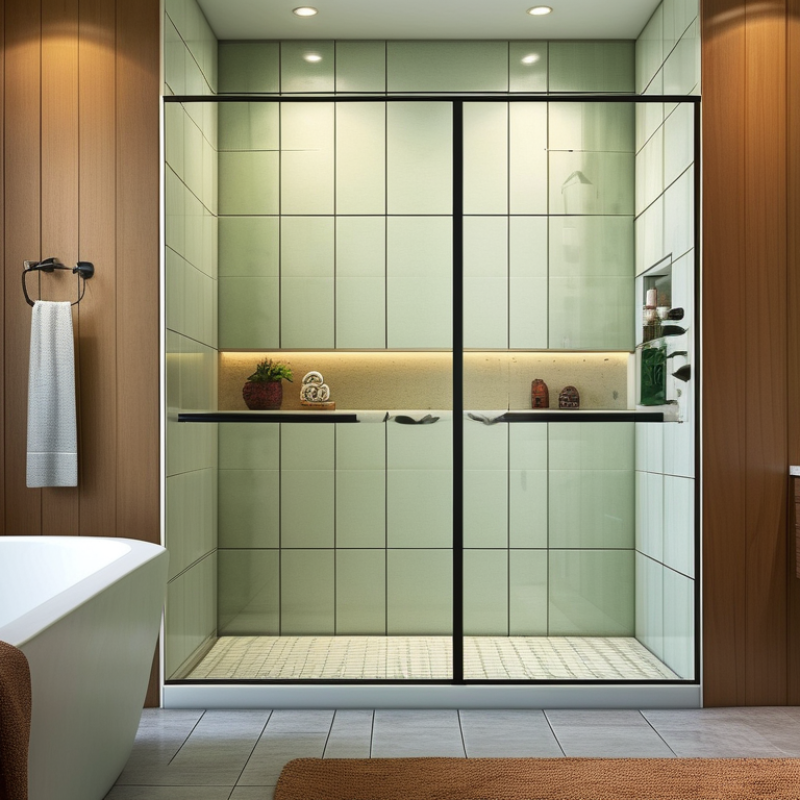
Factors to Consider When Choosing a Frameless Shower Door
When selecting a frameless shower door, several critical factors influence the best choice for your bathroom. The first element to consider is the size and layout of your shower space. Measuring the dimensions precisely is vital. A door that fits well enhances both functionality and aesthetics. Consider whether a sliding and hinged option suits your space better. Each style offers distinct advantages, depending on your bathroom's configuration.
Next, think about the glass thickness. Thicker glass often looks more luxurious but can be heavier and require sturdier hardware. Standard options range from 3/8 inch to 1/2 inch in thickness. The choice may affect the durability and longevity of the door. Additionally, explore the hardware style to complement your overall bathroom design. Brushed nickel or matte black finishes can dramatically change the space's visual appeal.
Another crucial factor is the glass coating. Anti-fog and water-repellent coatings can simplify cleaning. However, they might wear off over time, requiring maintenance. Some homeowners might overlook this, leading to more extensive cleaning later. Finally, consider your budget. While frameless shower doors can be a worthwhile investment, spending wisely can ensure you get quality without overspending. Be open to reassessing your initial choices as you learn more.
How to Choose the Best Frameless Shower Door for Your Bathroom? - Factors to Consider When Choosing a Frameless Shower Door
| Factor |
Description |
Considerations |
| Glass Thickness |
Frameless shower doors typically come in varying thicknesses, usually 1/4", 3/8", or 1/2". |
Thicker glass may provide more durability and a premium feel. |
| Hardware Quality |
The quality of the brackets, hinges, and handles can impact both aesthetics and functionality. |
Choose stainless steel or high-grade materials for longevity. |
| Door Configuration |
Options include sliding, hinged, or bi-fold doors based on bathroom layout. |
Consider the space available for opening and closing the door. |
| Style and Finish |
The design should complement the overall style of your bathroom. |
Select finishes such as polished chrome, brushed nickel, or oil-rubbed bronze. |
| Installation Method |
Some doors require professional installation, while others can be DIY. |
Ensure you have the right tools and knowledge to install a DIY option. |
| Maintenance Requirements |
Different glass treatments and finishes may affect how often you need to clean. |
Look for easy-to-clean surfaces with anti-splash technology. |
Types of Frameless Shower Doors Available in the Market
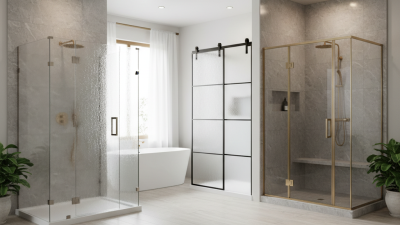
When selecting a frameless shower door, understanding the types available is essential. Typically, you will encounter two main styles: hinged and sliding. Hinged doors swing open, offering a spacious entry. They work well for larger bathrooms with optimal wall space. Sliding doors, however, glide along tracks, which can save space. This style is ideal for smaller bathrooms where every inch counts.
Another consideration is the glass thickness. Most frameless shower doors feature glass thickness ranging from 3/8 inch to 1/2 inch. Thicker glass is more durable and provides a more luxurious feel. However, heavier glass requires sturdy hardware, which can add to installation costs. Keep this in mind when budgeting. A less experienced installer may struggle with thicker glass, potentially compromising your door's functionality.
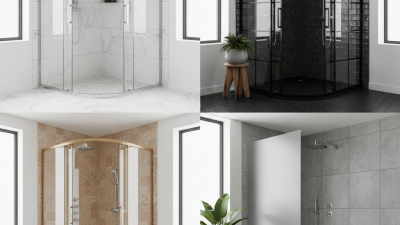
Lastly, consider the various finishes and hardware styles. Chrome and brushed nickel are popular choices. However, they can show water spots and fingerprints. Matte black offers a modern aesthetic but may require more maintenance. The decision should reflect your personal style and your willingness to maintain the look. Choosing the right type of frameless shower door should blend function with style, ensuring a perfect fit in your bathroom.
Frameless Shower Door Types and Their Popularity
Measuring Your Shower Space for the Perfect Fit
Measuring your shower space accurately is crucial for choosing the best frameless shower door.
Start by measuring the width of the shower opening at the top and bottom. This ensures a proper fit, as older homes may have uneven walls.
Note the height you desire, typically between 72 to 80 inches, depending on your preference.
When measuring, consider the wall type. If your walls are not perfectly straight, adjustments may be necessary.
Use a level to check for discrepancies. A miscalculation here could lead to leaks and installation headaches later on.
Tips: Keep a notepad nearby during measurements. This helps prevent errors.
Double-check all dimensions; a second opinion can catch mistakes. Lastly, consider any fixtures that could impact the door's opening,
like faucets or shelves. Each detail counts in creating the perfect shower experience.
Materials and Hardware Options for Durability and Style
When selecting the best frameless shower door, material choice significantly impacts both durability and style.
Glass is the most popular option. It adds an open, airy feel to the bathroom. However, thickness varies. A minimum of 3/8 inch is recommended for strength. Thinner glass may seem cost-effective but can lead to issues like warping or cracking over time.
Hardware choice matters just as much. Stainless steel is known for its longevity. It resists rust and pairs well with glass. Consider finishes too. Polished, brushed, or matte options offer different aesthetics. Ensure that the hardware matches your bathroom's overall design. In contrast, plastic fittings might be cheaper but can compromise the door’s integrity.
Do not overlook the sealing options. A good seal prevents leaks while enhancing insulation. However, poorly installed seals might lead to mold growth. It’s a fine balance between function and appearance. Pay attention to both elements. Investing in quality materials and hardware can lead to a more satisfying long-term use.
Installation and Maintenance Tips for Frameless Shower Doors
Installing a frameless shower door can elevate your bathroom's style. It's crucial to understand the installation process to ensure a perfect fit. Begin by measuring the opening carefully. You need precise dimensions for both the door and the glass panels. A small error can lead to gaps or discomfort. Use a level to check the floor and wall alignment. This step often gets overlooked, but it’s essential for a seamless installation.
After installation, maintenance is vital to keep the door looking pristine. Regular cleaning with a mild glass cleaner prevents soap scum and hard water stains. Avoid abrasive materials; these can scratch the glass surface. You might notice some water spots despite your best efforts. Using a squeegee after each use can minimize this issue.
Water can accumulate in hinges and tracks. Make it a habit to inspect these areas. Ensure they remain dry to prevent mold growth. It’s common for homeowners to neglect these spots, leading to bigger problems. Always prioritize routine checks and maintenance. This way, your frameless shower door remains both functional and elegant.