How to Choose the Best Sliding Glass For Shower Installation?
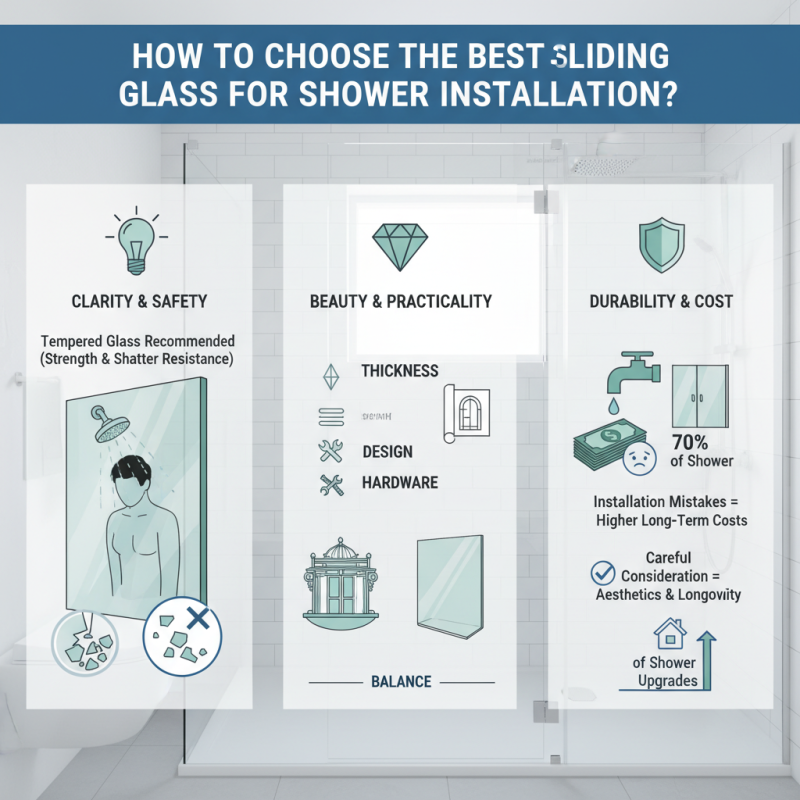
Choosing the right sliding glass for shower installation is crucial. Many homeowners overlook this decision. However, industry reports indicate that 70% of shower upgrades involve sliding glass enclosures. This choice can greatly impact the bathroom’s aesthetics and functionality.
When selecting sliding glass for shower, clarity and safety are vital. For example, tempered glass is recommended due to its strength and resistance to shattering. However, finding the right balance between beauty and practicality is challenging. It is important to consider factors like thickness, design, and hardware.
Moreover, installation mistakes can lead to leaks or structural issues. A poorly chosen sliding glass can detract from a bathroom’s appeal. Poorly designed or low-quality options may result in higher long-term costs. Careful consideration is essential for both aesthetics and durability when investing in sliding glass for shower installations.
Understanding Different Types of Sliding Glass Shower Doors
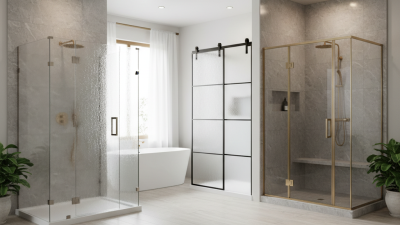
Choosing the right sliding glass shower door involves understanding the various types available. Framed doors are the most common. They contain a metal frame that supports the glass. This type is often more affordable but may not offer the same aesthetic appeal as others. According to industry reports, framed doors account for about 40% of the market. They provide durability and stability but can feel bulky in smaller bathrooms.
Semi-frameless options are another choice. This style features a minimal frame around the panels, allowing for a more modern look. These doors generally provide a good balance between style and affordability. A report by the National Kitchen and Bath Association indicated that 30% of homeowners prefer semi-frameless due to their sleek design. However, they may not be as sturdy as fully framed options and can sometimes show wear over time.
Frameless sliding glass doors are the pinnacle of modern bathroom design. They create an illusion of more space, making them popular in contemporary homes. These doors are made of thick tempered glass, offering a clean and elegant look. They represent roughly 25% of the market. However, the high cost and the need for precise installation can deter some buyers. Overall, the choice depends on your budget and aesthetic preferences. Testing the feel and functionality of each type in-store can guide a better decision.
How to Choose the Best Sliding Glass For Shower Installation?
| Type |
Material |
Features |
Price Range |
Best For |
| Frameless |
Tempered Glass |
Sleek Design, Easy to Clean |
$800 - $2000 |
Modern Bathrooms |
| Framed |
Glass & Aluminum |
Durable, Classic Look |
$500 - $1200 |
Traditional Bathrooms |
| Semi-Frameless |
Tempered Glass |
Balanced Style & Cost |
$600 - $1500 |
Contemporary Spaces |
| Bi-Fold |
Glass |
Space Saving, Flexible |
$700 - $1800 |
Compact Bathrooms |
| Sliding |
Tempered Glass |
Easy Access, Smooth Operation |
$600 - $1500 |
Any Bathroom Size |
Evaluating Materials: Tempered Glass vs. Acrylic Options
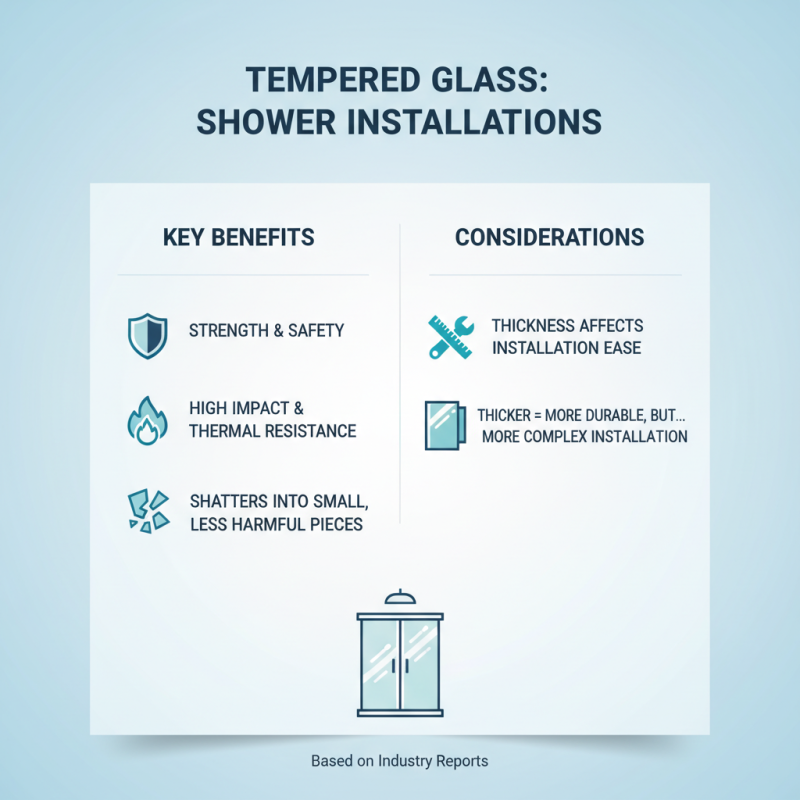
When considering materials for sliding glass in shower installations, tempered glass and acrylic are the primary options. Tempered glass is known for its strength and safety. According to industry reports, it withstands higher impacts and thermal stress than regular glass. It can shatter into small, less harmful pieces, which enhances safety. However, the thickness of the tempered glass can affect installation ease. A thicker panel may offer better durability, but it can also complicate the installation process.
Acrylic, on the other hand, is lighter and more flexible. It's less prone to breakage compared to traditional glass. Additionally, acrylic can be easier to handle during installation due to its weight. However, it scratches more easily and may fade over time. An often overlooked detail is the maintenance. Tempered glass generally demands less upkeep than acrylic, making it a preferable choice for many. Yet, the cost difference between these materials can lead to tough choices. Buyers sometimes underestimate long-term maintenance needs, focusing instead on initial installation costs.
Measuring Your Shower Space for Perfect Fit
When considering new sliding glass doors for your shower, accurate measurements are crucial for a seamless fit. According to industry data, nearly 30% of homeowners face issues with installation due to incorrect sizing. A precise measurement will save time and prevent costly mistakes. Use a tape measure to check both the width and height of your shower space. Remember to measure at multiple points, since walls can be uneven.
Pay attention to the type of shower space you have. Alcove showers often have different requirements compared to corner showers. A report from the National Kitchen and Bath Association suggests that about 40% of bathroom renovations focus on optimizing space. This is significant, as less than 25% of people actually consider the door's opening direction and spacing when measuring, leading to frustration later.
While measuring, don’t ignore small details like any obstructions or fixtures that could affect installation. For instance, faucet placements or shelves can shrink the usable area. Ignoring these factors can lead to glass doors that don't fully close or function correctly. More than 20% of professionals recommend double-checking your work, as a second look often reveals overlooked discrepancies. Taking the time to measure carefully ensures a beautiful, functional, and stress-free shower experience.
Choosing the Right Hardware and Track Systems
Choosing the right hardware and track systems for your sliding glass shower doors can greatly affect both functionality and aesthetics. The hardware must be sturdy enough to handle the weight of the glass. Look for materials like stainless steel or solid brass. These options provide durability and resist corrosion. Tracks should focus on smooth operation. A well-finished track prevents jamming and contributes to easy movement.
Tips: Always check the weight capacity of the track system. It’s essential to match it with your glass door weight. Consider adjustable track systems. They can help address imperfections in wall alignment. Installing them correctly can prevent future issues.
Another aspect to consider is style. Choose a track that complements your bathroom design. A minimalist design can enhance a modern look. On the other hand, ornate hardware may fit well in traditional settings. Don’t overlook the color of the hardware. It should blend or contrast with your fixtures for a cohesive look.
Tips: Measure twice before purchasing. Missing the correct dimensions can lead to an unexpected hassle. Take the time to understand installation guides, but remember every space is unique. Sometimes, it’s good to step back and reassess your choices during installation.
Considering Style and Design for Your Bathroom Aesthetics
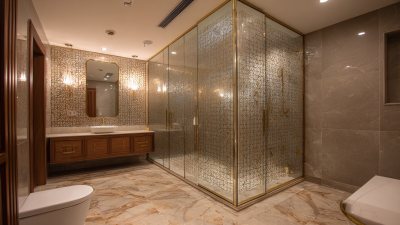
When selecting sliding glass for your shower, style and design play crucial roles. Your choice should harmonize with the overall aesthetics of your bathroom. Consider the color palette; light shades can create a sense of spaciousness. Darker tones might add a touch of luxury but can make a small area feel cramped. Look at the frame options, too. Minimalist designs can provide a modern look, while ornate frames can evoke a vintage feel.
Don't forget about textures. Frosted glass adds privacy while maintaining an elegant appearance. Clear glass, while sleek, could expose clutter if your bathroom lacks organization. Think about maintenance; intricate designs may require more cleaning efforts. Check for water spots frequently—this can be a headache.
Lighting is another important aspect. Natural light can enhance the beauty of your sliding glass if positioned well. However, too much sunlight may lead to fading materials. Reflect on your needs and lifestyle. Choosing the right sliding glass shouldn't just be about beauty but functionality too.
Popularity of Different Sliding Glass Styles for Shower Installation