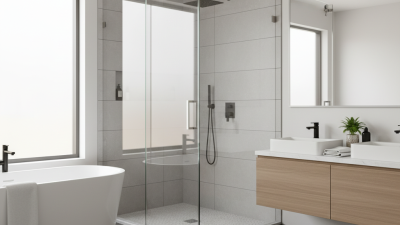
How to Choose the Best Hinged Shower Door for Your Bathroom?
Choosing the right Hinged Shower Door for your bathroom is essential. Industry reports indicate that over 30% of homeowners prioritize functionality and aesthetics when renovating bathrooms. Hinged shower doors provide an elegant look while ensuring easy access.
A well-chosen hinged door can enhance the bathroom's overall design. Many experts suggest that the appropriate door can increase a home's resale value by up to 15%. However, selecting a door that fits your specific space and style can be challenging. It's crucial to consider factors like size, glass thickness, and hardware quality.
Not all hinged shower doors are created equal. Some may show signs of wear and tear sooner than expected, leading to concerns about reliability. Investing in a high-quality door from a reputable brand is vital, as it impacts both durability and user experience. Reflecting on common mistakes, homeowners often overlook the importance of proper installation. Misalignment can create significant issues down the line, affecting both functionality and safety.
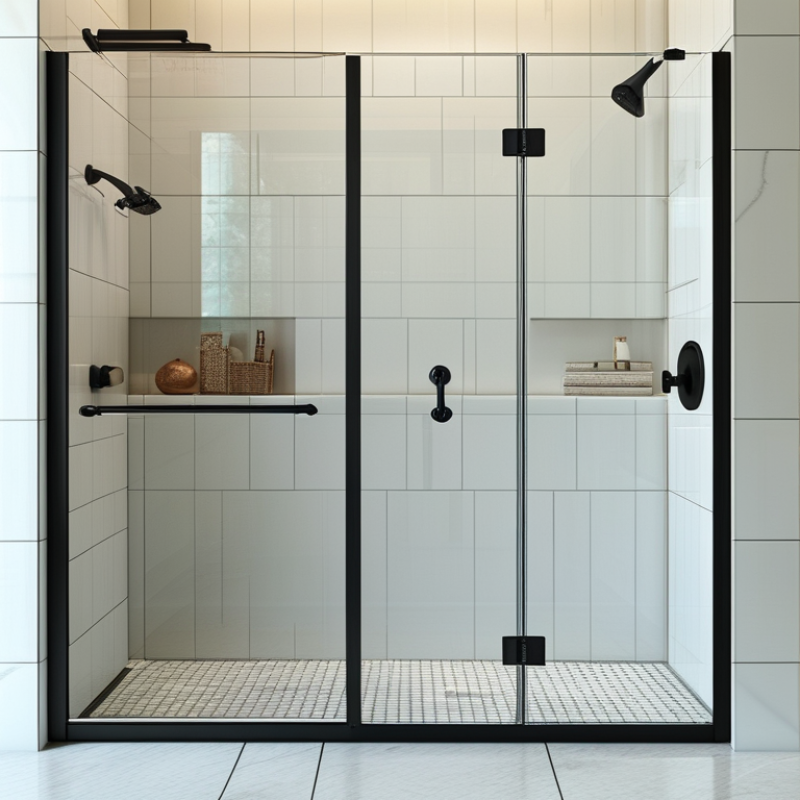
Factors to Consider When Selecting a Hinged Shower Door for Your Bathroom
Choosing the right hinged shower door is crucial for functionality and aesthetics in your bathroom. Begin by assessing the size of your shower space. According to a recent industry report, 60% of homeowners regret selecting a shower door that doesn’t fit well. Measure the width and height of the entrance accurately. Consider a door that allows for comfortable entry without fuss.
Another critical factor is the door's material. Tempered glass is popular due to its strength and safety features. Research indicates that 70% of homeowners prefer glass doors over traditional curtains. They can enhance light and create an illusion of space. However, you must ensure the glass is treated to resist water stains.
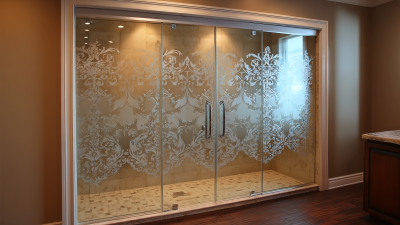
Tips: Opt for a door with a proper seal. This can minimize water leaks. Also, consider the style. Clear glass adds modernity, while frosted glass provides privacy. Lastly, evaluate the hinges. They need to withstand regular use without frequent maintenance. Sometimes, an overlooked detail can make a significant impact on the overall experience.
How to Choose the Best Hinged Shower Door for Your Bathroom?
| Factor |
Description |
Importance |
| Size |
Measure the shower opening to ensure the door fits properly. |
High |
| Material |
Choose between glass, acrylic, or other materials based on durability and aesthetics. |
Moderate |
| Thickness |
Select a door with suitable glass thickness for safety and insulation. |
High |
| Style |
Consider design options that complement your bathroom decor. |
Moderate |
| Installation |
Assess if professional installation is required or if it's DIY-friendly. |
High |
| Price |
Determine your budget and find options that fit within it. |
High |
| Maintenance |
Consider how easy it is to clean and maintain the door over time. |
Moderate |
| Warranty |
Check for warranty details which can indicate the quality of the door. |
Low |
Understanding Different Materials Used in Hinged Shower Doors and Their Durability
When considering hinged shower doors, the material significantly impacts durability and maintenance. Tempered glass is the most common choice. This glass is heat-treated, giving it increased strength. According to industry reports, tempered glass can withstand impacts better than standard glass by up to five times. It’s scratch-resistant yet can still chip or shatter under extreme conditions, which is something to keep in mind.
Frameless designs also use tempered glass. These doors provide a sleek look, but they come with a different challenge. The absence of a frame means the edges and seals will be more exposed. Regular maintenance is crucial to prevent water buildup, which can weaken the seals over time. Professional studies indicate that frameless doors may require replacement after 10-15 years, depending on usage and care.
Another option is acrylic, which is lightweight and less prone to shattering. However, it scratches easily, and its lifespan averages around 7-10 years in heavy-use environments. Many homeowners overlook this when selecting their shower doors. Selecting the right material requires balancing style, durability, and how much care you're willing to invest. Each material brings its challenges, making informed choices essential.
Measuring Your Bathroom Space Accurately for the Perfect Hinged Door Fit
When it comes to selecting a hinged shower door, measuring your bathroom space accurately is crucial. Getting precise measurements helps you avoid buying a door that doesn't fit. Start by measuring the width of your shower opening. Use a tape measure to record the distance from one wall to the other. Don’t forget to check for any obstructions, like faucets or shelving.
Tips for measuring include using a level. An uneven floor can affect door functionality. Measure both the bottom and top of the shower entry. If there’s a significant difference, a custom door may be necessary. Also, consider how much clearance is available for swinging the door open. A small space may require a minimalist design that won't block other bathroom features.
Remember, even small mistakes in measuring can lead to issues during installation. Double-check your figures. Mistakes often occur when you rush. Clear out the area to get an unobstructed view. A clean space makes accurate measuring easier, allowing for a smoother installation process later.
Comparing Styles: Traditional vs. Frameless Hinged Shower Doors
When choosing a hinged shower door, two main styles come to mind: traditional and frameless. Each has unique characteristics that suit different bathroom aesthetics and practical needs. Traditional hinged doors usually feature a metal frame. This can provide added stability and a classic look. However, the frame may feel bulky in smaller spaces. It can also gather mildew, requiring regular cleaning.
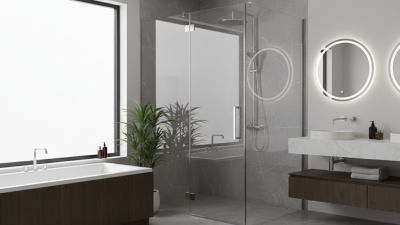
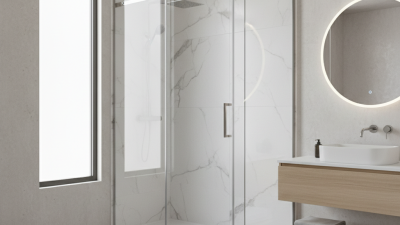
Frameless hinged doors, on the other hand, boast a sleek and modern design. They create an illusion of a bigger space because of their clear glass panels. The minimalist look appeals to many homeowners. Yet, frameless options can be pricier and may require more careful handling to avoid chips. The lack of framing can sometimes lead to water leakage if the installation isn't perfect.
Before making a decision, consider your bathroom's style and functionality. Reflect on how often you clean and maintain these doors. Aesthetics and practicality should not clash; try to find a balance. Ultimately, choosing the right style isn't just about looks; it’s about how it fits into your daily life.
Analyzing Installation Costs and Maintenance Requirements of Hinged Shower Doors
When considering hinged shower doors, installation costs and maintenance are key factors. Detailed industry reports indicate that installation can range from $200 to $600, depending on design complexity and labor rates. Professionals typically charge between $50 to $100 per hour for installation, which affects final expenses. Many homeowners underestimate these costs, often believing a simple installation will suffice.
Maintenance is another crucial aspect. Hinged doors require regular cleaning to prevent water spots and mold buildup. It’s advisable to use a soft cloth and mild cleaners. Some studies recommend annual inspections for hinges and seals, as wear can lead to leaks or malfunctions. Neglecting these details can not only result in immediate issues but could also escalate long-term repair costs.
Moreover, homeowners often overlook the importance of choosing the right material. Glass thickness, usually 1/4" to 1/2", significantly impacts durability and weight. Thicker glass provides better longevity but costs more upfront. In contrast, thinner options may be cheaper but often result in higher maintenance and replacement rates. Understanding these nuances can lead to more informed decisions in achieving both functionality and aesthetic appeal in the bathroom.