- +8613567125921
- +8613567125921
- office@hzkf-bath.com
- 1224594647

Choosing the right Shower Enclosure manufacturer can influence safety, comfort, installation time, and long-term bathroom performance. Worldwide suppliers offer framed, semi-frameless, frameless, sliding, hinged, and walk-in designs. Their products differ in glass thickness, hardware quality, water resistance, customization, and after-sales support.
This guide examines leading manufacturers and suppliers through practical purchasing criteria. We consider production experience, material sourcing, quality-control procedures, design capabilities, and international distribution. Tempered safety glass, corrosion-resistant hinges, accurate door alignment, and reliable seals deserve close attention. A beautiful enclosure means little if the rollers stick or water escapes beneath the door.
Details matter.
We also look at supplier credibility through certifications, project references, warranty terms, and transparent technical documentation. Regional building requirements can vary, so buyers should confirm installation standards with qualified professionals before ordering. Factory capacity is useful, but it does not automatically prove consistent quality. Some suppliers publish impressive catalogs while offering limited support after delivery. That gap deserves honest consideration.
The companies discussed here serve different markets and project types. Some specialize in hotel renovations, while others focus on residential bathrooms or custom architectural work. Pricing, lead times, minimum order quantities, and replacement-part availability may change by region. No ranking can fit every buyer. This overview aims to provide a careful starting point for comparing global Shower Enclosure manufacturers and suppliers with greater confidence.
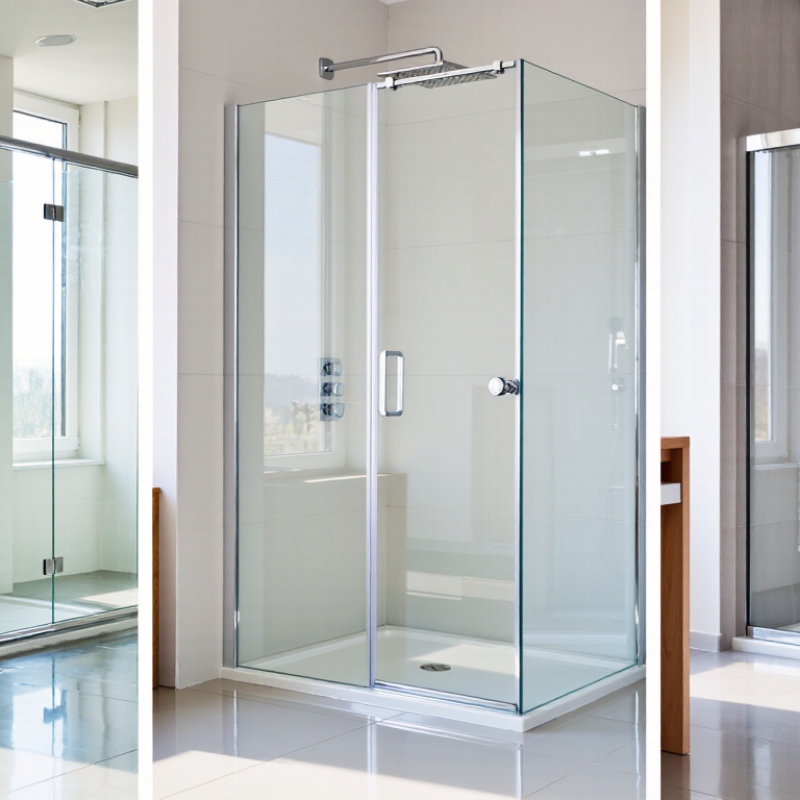
A leading shower enclosure manufacturer is defined by more than polished catalogs and attractive hardware. It starts with controlled engineering. Designers should match glass thickness, frame strength, hinge capacity, and wall tolerances before production. Tempered safety glass needs consistent edges and careful heat treatment. Small defects matter. A tiny chip near a corner can become a serious failure point. Reliable factories use documented inspections, batch traceability, and practical load testing. They also check doors repeatedly, not only once. Smooth movement after hundreds of cycles says more than showroom appearance.
Professional suppliers understand installation conditions. Bathrooms rarely have perfectly square walls, level floors, or identical drainage layouts. Good enclosures offer clear adjustment ranges, accurate instructions, replacement seals, and accessible technical support. Water testing should cover corners, thresholds, magnetic seals, and screw penetrations. A leading manufacturer also communicates limitations honestly. Some designs need reinforced walls or skilled installers; hiding that fact creates avoidable complaints. Certifications can support confidence, but they do not replace independent quality control. Even experienced teams can miss a tolerance problem when production moves quickly. That weakness deserves review, not excuses. Buyers should examine sample hardware, inspection records, warranty terms, and response times before approving large orders. Consistency is the real test.
| Evaluation Dimension | Recognized Industry Reference | Common Professional Benchmark | Why It Defines a Leading Manufacturer | Recommended Verification Evidence |
|---|---|---|---|---|
| Safety Glass Compliance | EN 12150, ANSI Z97.1, or applicable national safety-glazing regulations | Use of fully tempered safety glass for doors and enclosure panels | Reduces injury risk because properly tempered glass is designed to break into smaller, less-sharp fragments. | Current test reports, compliance declarations, glass markings, and batch traceability records |
| Glass Thickness Options | Project specifications and local building requirements | Approximately 6–10 mm for many framed and semi-frameless applications; thicker glass may be specified for frameless designs | A capable supplier can match thickness, panel size, hardware load, and installation conditions rather than offering one standard option. | Technical drawings, glass thickness schedule, load calculations, and approved sample panels |
| Dimensional Accuracy | ISO 9001 quality-management principles and project-specific tolerances | Documented cutting, drilling, edge-finishing, and inspection procedures for every production batch | Accurate fabrication supports easier installation, consistent door alignment, and reliable water management. | Inspection checklists, calibrated measurement equipment, quality records, and approved shop drawings |
| Hardware Material Quality | Material certificates and corrosion-resistance requirements for wet environments | Common premium specifications include stainless steel components, with 304 and 316 grades selected according to exposure conditions | Correct material selection helps reduce corrosion, staining, pitting, and premature hardware failure. | Material certificates, plating or finish specifications, corrosion-test records, and hardware samples |
| Water Management Design | Applicable plumbing, wet-area construction, and enclosure installation requirements | Engineered seals, compatible thresholds, accurately aligned panels, and properly designed drainage paths | Good water management limits leakage while recognizing that shower enclosures are not automatically watertight without correct installation. | Installation manuals, section details, seal specifications, water-test procedures, and installer training materials |
| Surface Finish and Maintenance | Published care instructions and finish-performance specifications | Smooth polished or coated surfaces, consistent finish quality, and clear cleaning guidance that avoids abrasive or unsuitable chemicals | A durable, easy-care finish improves appearance retention and lowers long-term maintenance requirements. | Finish samples, cleaning instructions, coating data sheets, and surface-inspection reports |
| Customization Capability | Project drawings, site measurements, and local installation constraints | Support for custom widths, heights, angles, door configurations, glass treatments, finishes, and hardware layouts | Flexible engineering enables the supplier to serve residential, hospitality, commercial, and renovation projects. | Sample project drawings, configuration guides, engineering review process, and prototype approval records |
| Packaging and Shipment Protection | Export packaging procedures and handling requirements for safety glass | Rigid protective packaging, corner protection, moisture control, part labeling, and documented loading procedures | Proper packaging reduces breakage, missing-part claims, and installation delays during domestic or international transport. | Packaging specifications, container-loading photos, drop or handling procedures, and shipment inspection records |
| Documentation and Technical Support | Installation instructions, product data sheets, maintenance guidance, and warranty terms | Complete documentation available in the buyer’s required language and format | Clear technical information helps installers avoid incorrect drilling, sealing, alignment, and hardware installation. | Downloadable manuals, CAD or PDF drawings, spare-parts lists, response procedures, and warranty documents |
| After-Sales Service | Written warranty, replacement-part, and claims-management policies | Identifiable replacement parts, defined response procedures, and documented handling of defective or damaged items | Reliable support protects project schedules and improves the total ownership experience. | Warranty terms, service-level targets, spare-parts catalogues, claim forms, and customer references |
| Sustainability and Resource Efficiency | Environmental product information and responsible manufacturing practices | Efficient material nesting, recyclable glass and metals, controlled water and energy use, and reduced packaging waste where feasible | Measured resource management can reduce waste without compromising safety or product performance. | Environmental policies, waste records, recycled-content information, energy data, and packaging declarations |